
Simple Steps to Keep Your Stove Working Safely and Smoothly
After a professional stove repair, the best way to protect your appliance is with simple, steady care. Clean it often, watch for small changes in heat or sound, and follow the technician’s advice. These small habits help your stove last longer and lower the chance you will need another service call soon. Whether you cook daily or only on weekends, good care keeps your kitchen running without stress.

Why Prevention Matters
A stove works hard every day. It handles high heat, grease, spills, and heavy pots. After a stove repair, some parts may be brand new. Others may still be older. Good maintenance keeps all parts working well together.
If you ignore small problems, they grow. A loose burner can turn into an uneven flame. A dirty igniter can stop clicking. Small issues cost less to fix than big ones. Taking care of your appliance now saves time and money later.
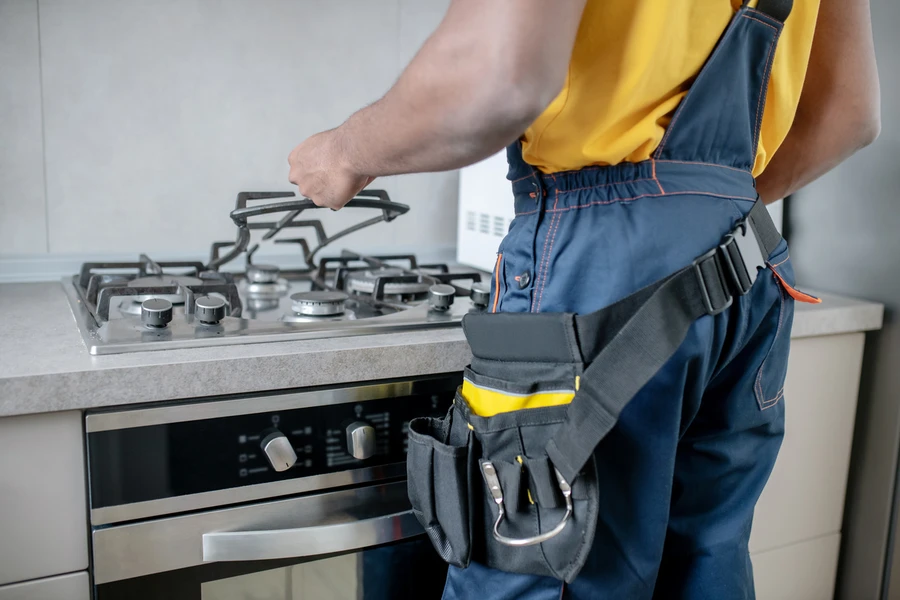
Early Warning Signs to Watch For
It helps to spot trouble early. After a stove repair, keep an eye on how your unit works. Pay attention to changes like:
- Burners heating slower than normal
- Flames that look yellow instead of blue
- Strange gas smells
- Clicking sounds that do not stop
- An oven that cooks food unevenly
If you notice any of these signs, do not ignore them. Acting fast can prevent damage to other parts.
Seasonal and Routine Maintenance Checklist
Simple routines make a big difference. You do not need special tools. Most of these steps take only a few minutes.
- Wipe spills right away. Dried food can clog burners.
- Clean burner grates weekly with warm, soapy water.
- Check burner caps to make sure they sit flat.
- Inspect gas connections for any strong odors.
- Test the oven temperature every few months with a basic thermometer.
- Keep the area around the stove clear of grease buildup.
If your recent stove repair involved electrical parts, check that knobs turn smoothly and that settings respond correctly. Do not force controls if they feel stuck.
Best Practices for Long-Term Results
Consistency is key. Light cleaning once a week is better than heavy scrubbing once every few months. Use gentle cleaners made for kitchen appliances. Harsh chemicals can wear down surfaces and damage new parts.
Do not slam oven doors. The hinges and seals can shift. Make sure pots and pans sit flat on burners. Uneven weight can strain grates and heating elements.
If your home has hard water, wipe moisture quickly to prevent mineral buildup. Keep ventilation fans clean so heat and smoke move out of the kitchen easily.
These habits support the work done during your stove repair and help extend the life of your appliance.
What Not to Do
After a stove repair, avoid quick fixes that can cause harm. Do not:
- Use sharp tools to scrape burners
- Ignore small gas smells
- Cover vents with foil
- Take apart panels without proper knowledge
- Delay follow-up service if a problem returns
Trying to fix complex parts on your own can undo the recent service. It can also create safety risks. If something feels unsafe, step back and call for help.
When to Schedule Professional Help
Routine cleaning is safe for most homeowners. But some problems need trained hands. Call for professional stove repair if the oven will not heat, if burners fail to light, or if you smell gas. Electrical sparks or sudden shutdowns also need fast attention.
Annual checkups are smart, especially for older units. A trained technician can test parts you cannot see. This type of appliance repair service helps catch wear before it turns into failure.
Keep Your Stove Working Its Best
If you are in London, ON and want your stove running safely, I am here to help. At A1 Active Appliance, I handle stove repair with careful attention and clear advice. If something feels off or you just want a checkup, call me at (226) 213-3611 and I will personally take care of it.